

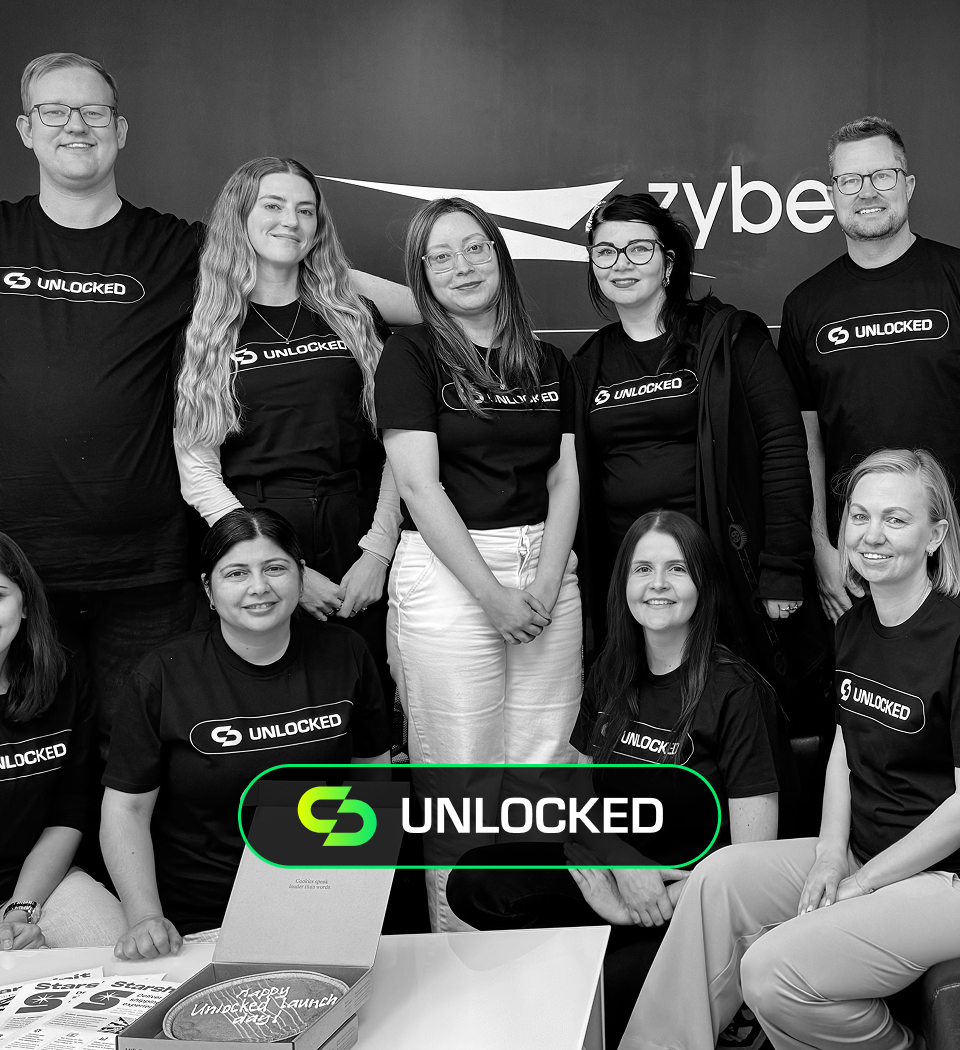


Modern marketing leaders are being asked to deliver more than clicks and creative. The workshop made it clear that the CMO’s impact on revenue now depends on how well they engage across finance, operations, product and customer service. When data is fragmented and systems are disconnected, marketing underperforms. When platforms, processes and people are aligned, the commercial upside compounds. Below are five takeaways for CMOs who want to lead across the organisation and move the needle on profit, not just pipeline.
1) Build a single source of truth with finance and operations
If the numbers are not trusted, the board will not back the spend. Matthew Owens’, CEO of Annexa, perspective was blunt: “Step one is trusting the data.” Smaller accounting tools can track the basics, but once planning spans finance, supply chain and commercial strategy, businesses need a system that keeps those worlds connected. This is where a cloud business suite like NetSuite comes in. It brings finance, inventory and operations into one environment so cost-to-serve, margin and stock availability are visible at the moment decisions are made. Yet the platform is only part of the story. Processes must flow across systems, not stop at departmental boundaries. As Matthew Owens, Annexa put it, half the work is integrations because “the flow of information through the business” is what enables decisions at speed. For CMOs, this is more than reporting. Campaign budgets, offer design and channel mix should be set with live contribution margin and supply constraints in mind. The example of a retailer juggling 80,000 SKUs shows the risk. Without centralised product, price and cost data, marketing can easily promote the wrong products to the wrong regions at the wrong time. Partner with your CFO and COO to define the commercial truths that will govern marketing choices, then wire those truths into planning and execution.
2) Orchestrate the end-to-end customer journey with product, retail and CX
David Visser, CEO of Zyber, highlighted a simple reality. Customers do not see a separation between stores and the website. They expect one brand, one promise and consistent availability. Practical blockers often sit outside marketing’s direct control, like POS rules, gift card logic or store stock policies. Zyber’s point about painful split gift card experiences is a classic example of how siloed decisions kill conversion. The fix is cross-functional design of the journey, from shopfront to fulfilment. CMOs should co-own the journey with product, retail and service leaders. Start with the promises you want to make and work backwards to the systems and processes required to keep them. Use behavioural evidence, not just opinion. Heat maps and journey analysis showed that moving the right product into “eye level” positions online lifts add-to-cart, just as supermarkets do in store. The lesson is operational. Agree the rules for merchandising, content and reviews, then ensure ops and product teams can supply assets and availability to match. This is where commercial outcomes are won or lost.
3) Treat data quality and change management as marketing’s critical path
Partridge Jewellers is a 160-year-old luxury retailer with a national store footprint and an online channel. Migrating to NetSuite was part of modernising the way the business runs behind the scenes. Nicola Owbridge, CEO of Partridge, was clear that legacy spreadsheets, disconnected systems and ingrained habits had to be addressed for the change to take hold. “Technology on its own does not solve everything,” she said. The value came from cleaning the data, aligning processes and bringing people on the journey. Early issues at go-live were real, but the direction of travel is what matters. With cleaner data, the team can finally link activity to return at store and product level. For CMOs, this is not someone else’s project. Poor data quality creates direct commercial risk in attribution, audience targeting and offer profitability. Marketing should help lead the data clean-up by defining the decisions that data must support, from segment value to store-level demand. Then advocate to remove the Excel crutches that break trust in the numbers. As David Visser joked, sometimes you need to “hide the export to Excel button.” That only works if marketing models and dashboards are accurate, timely and adopted by the frontline.
4) Use AI where it pays now - and only after your foundations are set
AI was everywhere, but the practical message was clear. Start with clean, connected data, then apply AI to remove cost, speed decisions and surface anomalies. Annexa outlined live use cases like financial exception management that flags unusual transactions automatically, and LLM-powered assistants embedded in back-office processes. These are not hypotheticals. They reduce month-end effort, improve accuracy and free human capacity. On the demand side, David Visser noted the shift to AI-assisted discovery and purchase. Whether customers buy directly in an LLM or research then click through, brands will only be visible if product information, availability and content are machine-readable and current. The strategic role for CMOs is to set an AI roadmap with the CFO and CTO that delivers measurable gains. Prioritise use cases with a business case you can take to the board, like reducing reconciliation time, raising merchandising accuracy or lifting conversion through better product data. The quote to remember is Annexa’s advice to “make sure your house is in order” so AI returns cash, not complexity.
5) Elevate the CMO role from campaign owner to enterprise orchestrator
Several comments captured the shift. The CMO’s job is becoming an orchestration role that “taps into each spoke of the business” to meet the right customer at the right time. That means working with customer service to mine ticket data for FAQs and content, with finance to align on margin thresholds and with operations to synchronise inventory and fulfilment promises. It also means selling change at board level. As Matthew Owens advised, frame tech investment around growth strategy and the cost of moving too slowly, then quantify the return. Creativity still matters. The Nicola Owbridge reminded us that marketing remains an emotional craft. The point is not to replace creativity with algorithms, but to use connected systems to validate bets, scale what works and stop what does not. Data is historical by nature, but when it is trusted and real time, it lets CMOs shape the future with confidence. The commercial impact is tangible. Better pricing and availability improve conversion and lifetime value. Cleaner processes reduce cost to serve. Faster insight tightens the cycle from idea to outcome.
Conclusion - Commercial marketing is a team sport
The workshop underlined a simple truth. Commercial outcomes from marketing are achieved when the CMO leads across the organisation. Integrations are not an IT detail, they are the rail network for profit. Data quality is not a reporting task, it is the basis for board-level trust. AI is not a shiny object, it is a lever for speed and accuracy once foundations are sound. And creativity is not optional, it is what turns capability into brand preference.
For CMOs, the mandate is to convene finance, operations, product and service around one plan, one set of numbers and one customer promise. Do that well and you will not just drive performance marketing. You will drive the business.